
Indoor Growing: A Complete Guide to Growing Plants Inside Your Home
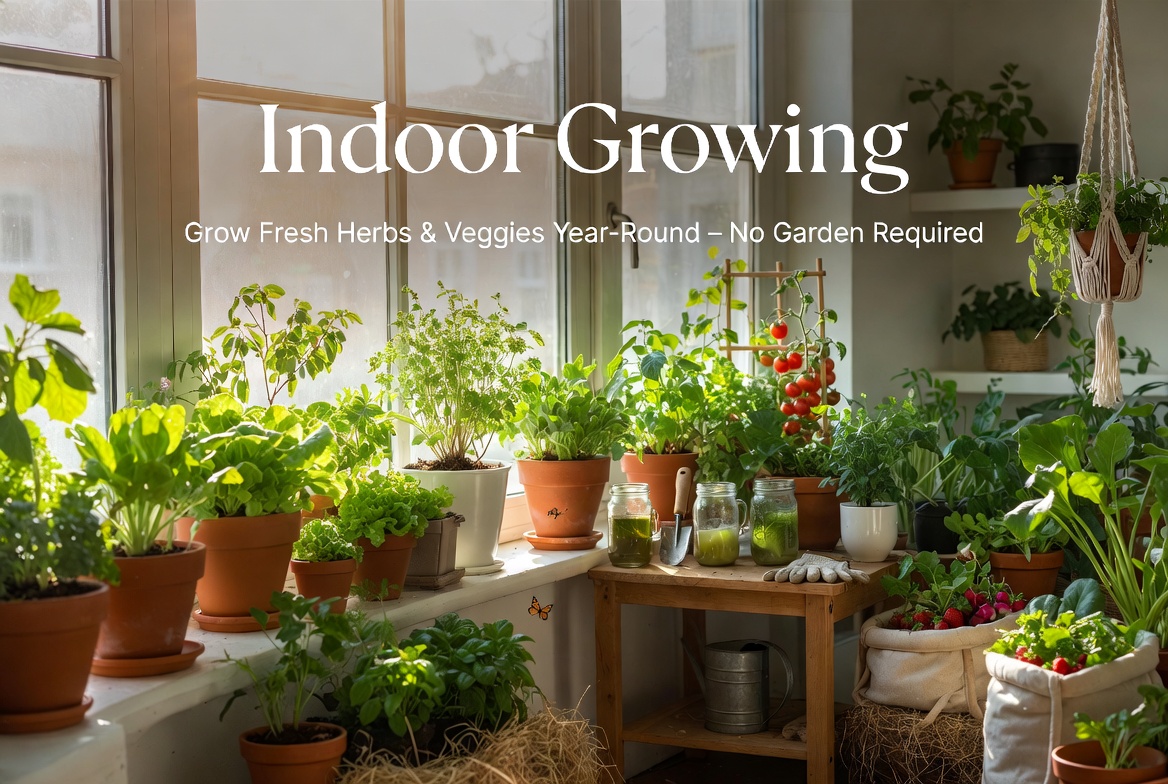
Indoor growing is a wonderful way to enjoy fresh plants, herbs, and vegetables without needing a garden or outdoor space. Whether you live in an apartment, a house without a backyard, or simply want to grow plants all year round, indoor gardening makes it possible.
With the right lighting, containers, and care, many plants can thrive indoors. Indoor growing is becoming increasingly popular because it allows people to grow fresh food, improve indoor air quality, and bring a touch of nature into their homes.
This guide will help you understand the basics of indoor growing and how you can successfully grow plants inside your home.
What is Indoor Growing?
Indoor growing refers to cultivating plants inside a house, apartment, office, or any enclosed environment. Plants are grown in containers using natural sunlight from windows or artificial lighting such as grow lights.
Unlike outdoor gardening, indoor growing allows you to control important factors like temperature, humidity, lighting, and watering. This controlled environment can help plants grow healthier and reduce the risk of pests and weather damage.
Indoor growing is ideal for:
-
Apartments and small homes
-
People without outdoor garden space
-
Year-round plant growing
-
Growing herbs and vegetables near the kitchen
Benefits of Indoor Growing
Indoor gardening offers several benefits that make it attractive for both beginners and experienced gardeners.
Fresh Food All Year
You can grow herbs, leafy greens, and vegetables throughout the year regardless of the weather outside.
Improved Air Quality
Many indoor plants naturally purify the air by removing toxins and increasing oxygen levels.
Stress Reduction
Being around plants can improve mood, reduce stress, and create a calm and relaxing environment at home.
Space Efficient Gardening
Indoor growing allows you to use small spaces such as windowsills, shelves, or corners of a room.
Protection from Weather
Indoor plants are protected from harsh weather conditions like heavy rain, frost, or strong winds.
Best Plants for Indoor Growing
Not all plants grow well indoors, but many varieties adapt perfectly to indoor environments.
Herbs
Herbs are among the easiest plants to grow indoors.
Popular indoor herbs include:
-
Basil
-
Mint
-
Coriander
-
Parsley
-
Thyme
-
Oregano
These herbs grow quickly and are perfect for kitchen gardening.
Leafy Vegetables
Leafy greens grow very well indoors and require minimal space.
Some great options include:
-
Spinach
-
Lettuce
-
Kale
-
Microgreens
-
Mustard greens
These vegetables grow quickly and can be harvested regularly.
Indoor-Friendly Vegetables
Some vegetables can also grow successfully indoors if they receive enough light.
Examples include:
-
Cherry tomatoes
-
Chillies and peppers
-
Green onions
-
Radishes
-
Dwarf beans
Decorative Indoor Plants
If you want greenery along with beauty, you can grow decorative indoor plants such as:
-
Snake plant
-
Money plant
-
Peace lily
-
Spider plant
-
Pothos
These plants are easy to maintain and enhance the look of your home.
Lighting Requirements for Indoor Plants
Light is one of the most important factors for indoor growing. Plants use light to produce energy through photosynthesis.
Natural Light
The best location for indoor plants is near a window where they can receive sunlight.
-
South-facing windows provide the most sunlight
-
East-facing windows offer gentle morning sunlight
-
West-facing windows provide afternoon sunlight
Artificial Grow Lights
If natural sunlight is limited, grow lights can help plants grow properly.
Common types of grow lights include:
-
LED grow lights
-
Fluorescent lights
-
Full-spectrum grow lights
These lights provide the necessary spectrum that plants need for healthy growth.
Choosing the Right Containers
Containers are essential for indoor gardening. They hold soil and provide space for plant roots to grow.
You can use:
-
Ceramic pots
-
Plastic containers
-
Grow bags
-
Wooden boxes
-
Decorative planters
Always choose containers with drainage holes to prevent water from collecting at the bottom.
Best Soil for Indoor Growing
Indoor plants require well-draining and nutrient-rich soil.
A good indoor potting mix may include:
-
Organic compost
-
Coco peat or peat moss
-
Perlite or sand
-
Garden soil
This mixture keeps the soil light, allows airflow to roots, and helps maintain moisture.
Watering Indoor Plants
Overwatering is one of the most common mistakes in indoor gardening.
Follow these simple watering tips:
-
Check soil moisture before watering
-
Water only when the top soil feels dry
-
Avoid leaving water in the pot tray
-
Use room temperature water
Proper watering helps prevent root rot and keeps plants healthy.
Tips for Successful Indoor Growing
To maintain a healthy indoor garden, keep these tips in mind:
-
Place plants where they receive enough light
-
Rotate plants occasionally for even growth
-
Use organic fertilizers for nutrients
-
Keep leaves clean from dust
-
Maintain good air circulation
Small adjustments in care can make a big difference in plant growth.
Create Your Own Indoor Garden
Indoor growing is a rewarding hobby that brings nature into your home while providing fresh herbs and vegetables for your kitchen. Even a few small pots on a windowsill can create a peaceful green corner in your living space.
Whether you want to grow herbs for cooking, vegetables for healthy meals, or plants to beautify your home, indoor growing is simple, enjoyable, and suitable for everyone.
Start small, learn gradually, and soon you will have a thriving indoor garden that adds life and freshness to your home.