
Herbs & Spices: Grow Natural Flavor and Health in Your Garden
Herbs and spices have been an important part of cooking, medicine, and culture for thousands of years. These aromatic plants add flavor, fragrance, and nutritional value to everyday meals. Growing herbs and spices at home not only enhances your kitchen but also provides fresh, chemical-free ingredients that are healthier and more flavorful than store-bought options.
One of the best things about herbs and spices is that they are easy to grow and require very little space. Whether you have a large backyard, a small balcony, or just a sunny window, you can grow many herbs and spices successfully. With proper care and a little patience, your garden can become a natural source of fresh flavors and healthy ingredients.
This guide will help you understand the basics of growing herbs and spices and how you can start your own herb garden at home.
What Are Herbs and Spices?
Although the terms herbs and spices are often used together, they come from different parts of plants.
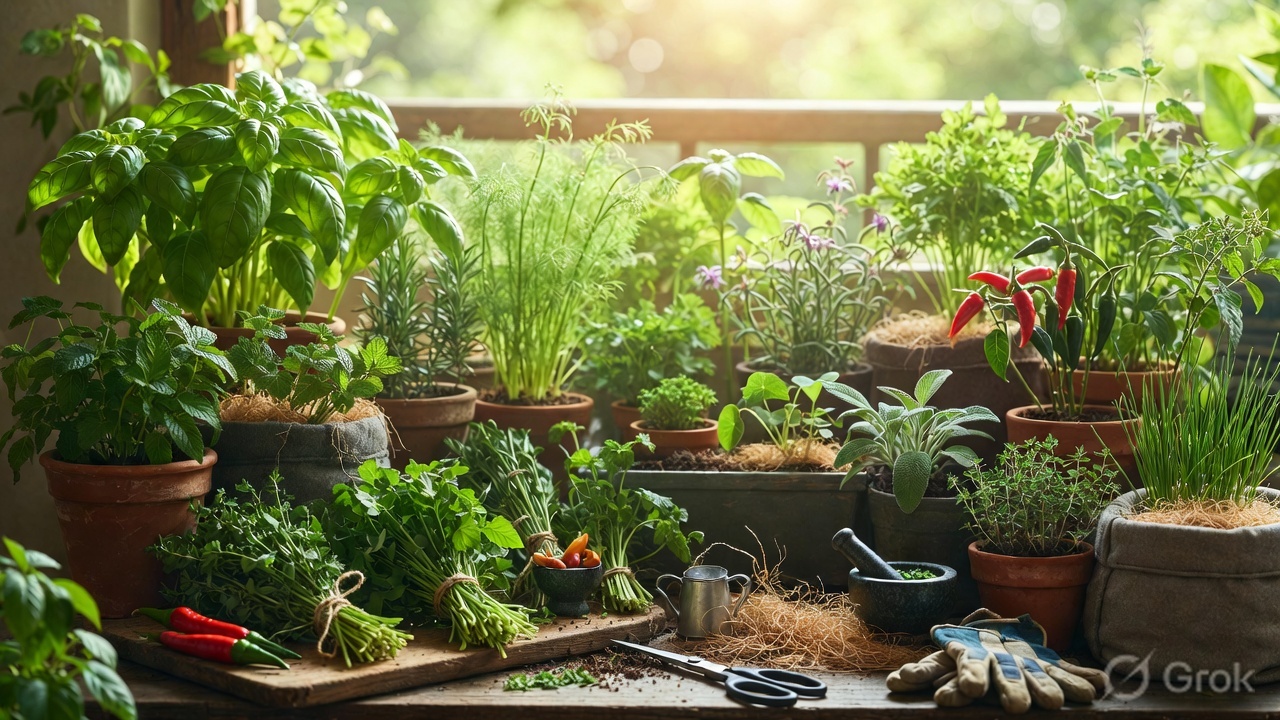
Herbs usually come from the leaves of plants and are often used fresh or dried in cooking. Examples include basil, mint, parsley, and coriander.
Spices usually come from other parts of plants such as seeds, roots, bark, or fruits. Examples include turmeric, ginger, cumin, and black pepper.
Both herbs and spices are valued for their ability to enhance food flavor, aroma, and health benefits.
Benefits of Growing Herbs and Spices at Home
Growing herbs and spices in your own garden offers many advantages.
Fresh and Natural Ingredients
Homegrown herbs provide stronger flavor and freshness compared to packaged herbs from stores.
Health Benefits
Many herbs and spices contain natural antioxidants, vitamins, and medicinal properties.
Cost Effective
Instead of repeatedly buying herbs from markets, you can harvest them directly from your garden.
Easy to Grow
Most herbs require minimal care and grow well in containers, garden beds, or indoor spaces.
Natural Pest Protection
Some herbs like basil and mint naturally repel pests and help protect other plants in the garden.
Popular Herbs to Grow at Home
Many herbs are beginner-friendly and grow quickly with basic care.
Basil
Basil is one of the most popular kitchen herbs and grows best in warm weather.
Benefits of growing basil:
-
Easy to grow in pots or gardens
-
Adds fresh flavor to pasta, salads, and sauces
-
Attracts beneficial insects
Mint
Mint is a hardy herb that grows vigorously and spreads quickly.
Uses of mint include:
-
Herbal teas
-
Fresh drinks and desserts
-
Natural digestive support
Mint grows best in containers to prevent it from spreading too widely.
Coriander (Cilantro)
Coriander leaves are widely used in many cuisines around the world.
Key features:
-
Quick growing herb
-
Suitable for containers or garden beds
-
Both leaves and seeds are useful in cooking
Parsley
Parsley is rich in vitamins and adds freshness to many dishes.
It grows well in moderate sunlight and can be harvested multiple times during the growing season.
Common Spices That Can Be Grown at Home
Some spices can also be grown in home gardens depending on climate and available space.
Ginger
Ginger grows from underground rhizomes and is commonly used in cooking and herbal remedies.
Growing ginger requires:
-
Warm climate
-
Moist soil
-
Partial shade
Turmeric
Turmeric is another root spice known for its strong medicinal properties.
Benefits of turmeric:
-
Natural anti-inflammatory properties
-
Used in cooking and traditional medicine
-
Grows well in containers or garden beds
Chillies
Chillies are technically fruits but are widely used as spices in cooking.
They grow well in:
-
Pots
-
Raised beds
-
Backyard gardens
Chilli plants also produce colorful fruits that enhance the beauty of the garden.
Ideal Growing Conditions for Herbs and Spices
Most herbs and spices thrive in simple growing conditions.
Sunlight
Most herbs need 5–7 hours of sunlight daily to grow well.
Soil
Use well-drained soil rich in organic compost for healthy plant growth.
Watering
Herbs prefer moderate watering. Overwatering can damage plant roots.
Containers or Garden Beds
Many herbs grow successfully in:
-
Pots
-
Balcony containers
-
Raised beds
-
Kitchen gardens
Tips for Maintaining a Healthy Herb Garden
To ensure your herbs and spices grow successfully, follow these practical tips.
Harvest Regularly
Regular harvesting encourages plants to produce new leaves and remain healthy.
Use Organic Fertilizers
Adding compost or vermicompost helps maintain soil fertility naturally.
Provide Good Drainage
Herbs do not like waterlogged soil, so always use containers with drainage holes.
Prune Plants Occasionally
Pruning helps maintain plant shape and improves air circulation.
Protect from Extreme Weather
Some herbs may need protection from strong sun, heavy rain, or frost.
Create Your Own Kitchen Herb Garden
Growing herbs and spices at home is one of the most rewarding gardening experiences. Even a small collection of herb pots near your kitchen window can provide fresh ingredients for cooking every day.
A simple herb garden might include:
-
Basil
-
Mint
-
Coriander
-
Parsley
-
Chillies
With time, you can expand your herb collection and experiment with new flavors and plants.
Not only will you enjoy fresher and healthier food, but you will also experience the joy of nurturing plants and harvesting ingredients straight from your own garden.