
Raised Bed Gardening: A Simple and Effective Way to Grow Healthy Plants
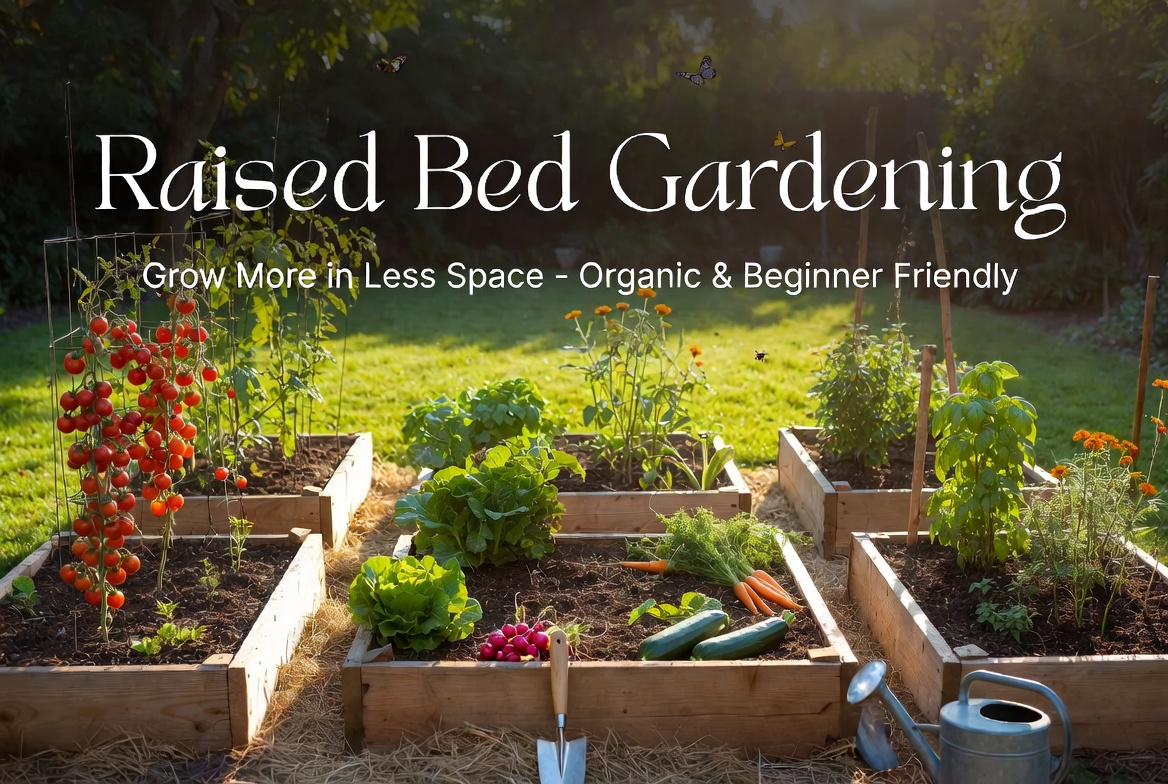
Raised bed gardening is one of the most practical and productive ways to grow vegetables, herbs, and flowers at home. Instead of planting directly in the ground, plants are grown in soil that is raised above ground level and contained within a frame or border. These beds are usually made from wood, bricks, stones, or other durable materials.
Gardeners around the world prefer raised bed gardening because it offers better soil control, improved drainage, easier maintenance, and higher crop yields. Whether you have a large backyard or a small garden space, raised beds can help you grow healthier plants with less effort.
What is Raised Bed Gardening?
Raised bed gardening is a method where soil is placed inside a structured bed that sits above the surrounding ground. These beds are typically rectangular and can vary in size depending on available space.
The raised structure allows gardeners to fill the bed with nutrient-rich soil and organic matter, creating the perfect growing environment for plants. Because the soil is not compacted by foot traffic, plant roots grow more freely and absorb nutrients more efficiently.
Raised beds are commonly used for growing:
-
Vegetables
-
Herbs
-
Fruits
-
Flowers
-
Organic crops
This method is especially popular in organic gardening because it allows better control over soil quality and reduces the use of chemicals.
Benefits of Raised Bed Gardening
Raised bed gardening offers several advantages compared to traditional ground gardening.
Better Soil Quality
One of the biggest benefits of raised beds is the ability to create the perfect soil mix. Gardeners can combine compost, organic matter, and soil to produce nutrient-rich growing conditions.
Improved Drainage
Raised beds drain excess water more efficiently than ground soil. This prevents waterlogging and protects plant roots from rot.
Less Soil Compaction
In traditional gardens, walking on soil compresses it, making it difficult for roots to grow. Raised beds prevent this problem because the soil inside the bed is not stepped on.
Easier Maintenance
Raised beds reduce the need for bending or kneeling, making gardening easier and more comfortable.
Fewer Weeds
Because the soil is controlled and often covered with mulch, raised beds usually have fewer weeds than regular gardens.
Best Materials for Building Raised Beds
Raised beds can be built using different materials depending on availability, cost, and style preference.
Common materials include:
-
Wooden boards or planks
-
Bricks or concrete blocks
-
Natural stones
-
Metal garden beds
-
Recycled wood or pallets
Wood is one of the most popular choices because it is easy to work with and gives a natural look to the garden.
Ideal Size for Raised Garden Beds
The size of a raised bed should allow easy access to all plants without stepping inside the bed.
Typical raised bed dimensions are:
-
Width: 3 to 4 feet
-
Length: 6 to 8 feet
-
Height: 10 to 24 inches
This size allows gardeners to reach plants comfortably from the sides while maintaining good soil depth for root growth.
Best Soil Mix for Raised Beds
Healthy soil is the foundation of successful raised bed gardening. A good soil mixture should be rich in nutrients, well-draining, and light enough for root development.
A common raised bed soil mix includes:
-
40% garden soil
-
40% compost or organic manure
-
20% coco peat, sand, or perlite
This combination improves fertility, moisture retention, and aeration.
Adding organic compost regularly keeps the soil healthy and productive.
Best Plants for Raised Bed Gardening
Many plants grow exceptionally well in raised beds because of the improved soil and drainage conditions.
Vegetables
Some of the best vegetables for raised beds include:
-
Tomatoes
-
Carrots
-
Lettuce
-
Spinach
-
Radishes
-
Peppers
-
Cucumbers
-
Beans
Herbs
Herbs also thrive in raised beds.
Popular choices include:
-
Basil
-
Mint
-
Coriander
-
Parsley
-
Rosemary
-
Thyme
Flowers
Flowers can also be planted to attract pollinators and beautify the garden.
Good options include:
-
Marigolds
-
Sunflowers
-
Zinnias
-
Petunias
Tips for Successful Raised Bed Gardening
To maintain a productive raised bed garden, follow these helpful tips:
Choose a Sunny Location
Most vegetables require 6–8 hours of sunlight daily for healthy growth.
Add Mulch
Applying mulch helps retain soil moisture, reduce weeds, and regulate soil temperature.
Rotate Crops
Avoid planting the same crops in the same bed every season to maintain soil fertility and prevent disease.
Water Consistently
Raised beds can dry out faster than ground soil, so regular watering is important.
Use Organic Fertilizers
Adding compost, vermicompost, or natural fertilizers improves plant growth and soil health.
Raised Bed Gardening for Small Spaces
Raised bed gardening is also ideal for small spaces and urban environments. Even a small backyard or courtyard can be transformed into a productive food garden.
Some gardeners even build raised beds on:
-
Rooftops
-
Balconies
-
Small patios
-
Community gardens
With proper planning, raised beds can produce a large quantity of vegetables in a limited space.
Start Your Raised Bed Garden Today
Raised bed gardening is a practical and rewarding method for growing fresh, healthy food at home. It allows gardeners to control soil quality, improve plant growth, and make gardening easier and more enjoyable.
Whether you are a beginner or an experienced gardener, raised beds can help you grow vegetables, herbs, and flowers more efficiently. With good soil, proper sunlight, and regular care, a raised bed garden can provide a steady supply of fresh produce for your kitchen.
Growing your own food is not only satisfying but also promotes a healthier and more sustainable lifestyle.